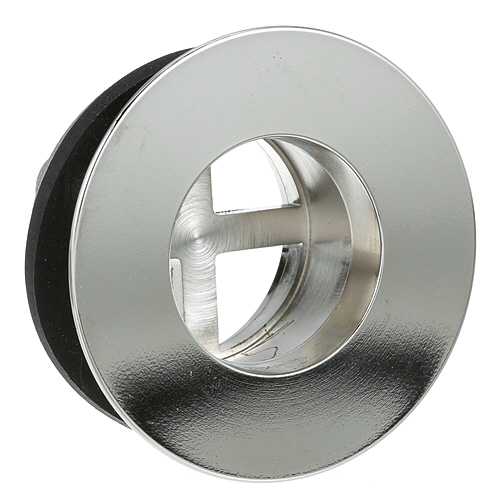

Standard Keil 1816-1810-1368 Sink Drain
Specifications:
| Attribute | Details |
|---|---|
| 1-1/2" Nps Drain, 3" Flange, 1-1/2" Long, 2" Sink Opening, | |
| Nickel Plated Brass, Comes With Washer & Locknut | |
| 1-1/2" Inside Dia. Drain Opening |
Description
More Information:
- CHG:CHGE16-4051 ,CHGE16-4051LW ,E16-4051 ,E16-4051-LW ,E16-4051LW||STANDARD KEIL:1816-1810-1368
Step1: Turn off water supply and place bucket under sink to catch residual water.
Step2: Remove old drain assembly using wrench and clean sink opening thoroughly.
Step3: Apply plumber’s putty around flange and insert new drain.
Step4: Tighten locknut from underside, ensuring alignment and leak-free seal.
Step5: Reconnect plumbing, turn on water, and test for leaks carefully.
Step6: Wear gloves and eye protection during installation to avoid injury.
Customer Reviews
No reviews yet. Be the first to write one!
Write a Review
-
What maintenance is required for the Standard Keil 1816-1810-1368 Sink Drain?
Regularly clean the sink drain to prevent buildup of debris and grease. Rinse with warm water and mild cleaner to maintain smooth flow. Check for leaks or loose fittings periodically. Avoid harsh chemicals that may damage the drain components.
-
What are common issues with the Standard Keil 1816-1810-1368 Sink Drain?
- Slow drainage due to clogging from debris or grease buildup.
- Leakage from worn or improperly sealed connections.
- Unpleasant odors caused by trapped waste.
- Corrosion or wear affecting drain performance over time.