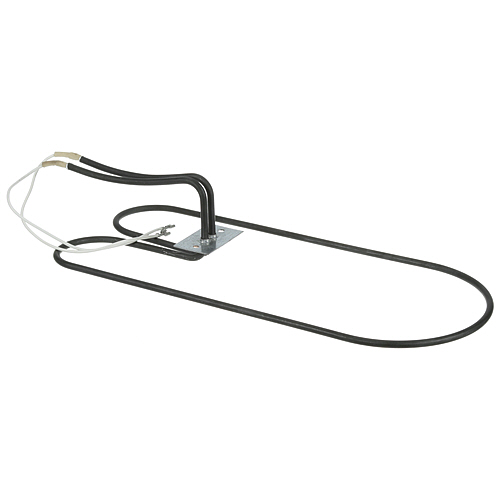

Duke 2242-2 Heating Element 1000W 240V
Specifications:
| Attribute | Details |
|---|---|
| Loop Element, [ 240V 1000W 1Ph ] | |
| [ 17-1/2" X 7-1/4" X 3-1/2"H ] | |
| Wire Leads W/Terminals Female | |
| Duke Steamtable |
Description
More Information:
- DUKE:212242 ,2242 ,2242-2
Step1: Ensure lockout/tagout is applied and wear insulated gloves.
Step2: Disconnect power supply and verify unit is cool.
Step3: Remove access panel and old heating element.
Step4: Disconnect wiring noting terminal positions.
Step5: Install new Duke element securely.
Step6: Reconnect wiring firmly and ensure insulation intact.
Step7: Reassemble panel and restore power carefully.
Step8: Test operation and monitor for safe heating.
Step9: Verify voltage rating matches before energizing unit.
Customer Reviews
No reviews yet. Be the first to write one!
Write a Review
-
What maintenance is required for the Duke 2242-2 Element?
Inspect the warmer element periodically for signs of wear, overheating, or residue buildup that can affect performance. Ensure all electrical connections remain tight and undamaged. Keep the surrounding area clean and free from grease. Always disconnect power before handling to prevent electrical shock.
-
What are common issues with the Duke 2242-2 Element?
- Element failing to heat or producing inconsistent temperatures.
- Burnout caused by voltage issues or prolonged use.
- Loose or deteriorated wiring connections.
- Overheating leading to reduced functionality.
- Physical damage or corrosion impacting heating efficiency.