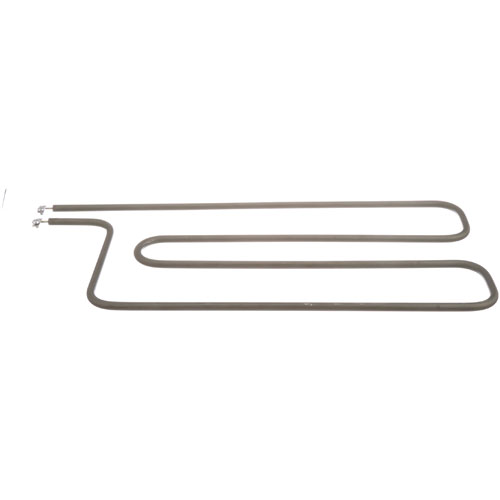

Wells 500166 Warmer Element W/ 8-32 X 1/4"Screw 208V 1650W
Specifications:
| Attribute | Details |
|---|---|
| 208V 1650W, 8-1/2" X 17-1/2", | |
| W/ Screw 8-32 X 1/4", Qty 2 Part # 26-2899 | |
| Wells Food Warmer Ss206, Ss276, Smp, Tmp |
Description
More Information:
- BLOOMFIELD:2N-300166UL||STAR MFG:2N-300166UL ,2N300166UL ,500166 ,WS-500166
Step1: Disconnect power supply and verify the unit is completely cool before starting.
Step2: Remove the old element by loosening mounting screws and noting wire connections.
Step3: Position the new warmer element and secure it using the screw.
Step4: Reconnect electrical leads to the correct terminals and tighten firmly.
Step5: Ensure proper grounding and confirm no exposed wiring remains.
Step6: Restore power and test heating operates for stable and even temperature performance.
Customer Reviews
No reviews yet. Be the first to write one!
Write a Review
-
What maintenance is required for the Wells 500166 Element?
Inspect the warmer heating element regularly for signs of damage, warping, or electrical damage. Keep the surface clean and free of food residue or grease buildup to ensure even heat transfer. Check mounting screws for tightness and ensure stable. Replace if heating becomes uneven or inefficient.
-
What are common issues with the Wells 500166 Element?
- Uneven heating or hot spots affecting warming performance.
- Warmer element burnout due to longer high-temperature operation.
- Loose or corroded screw connections causing power interruptions.
- Cracking or deformation from thermal pressure over time.