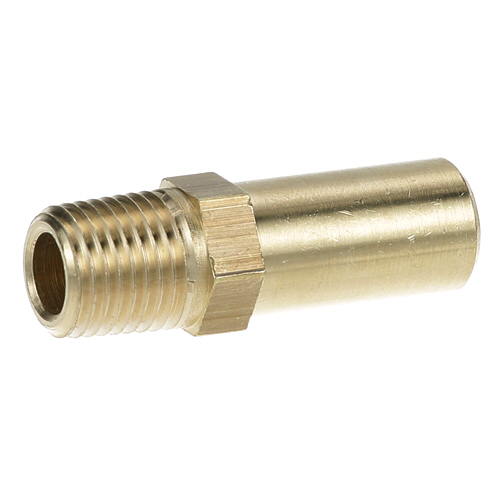

Cecilware F177A Fryer Brass Orifice 52
$11.62
Price reduced from
$12.92
Specifications:
| Attribute | Details |
|---|---|
| Lp Burner Orifice #52, #52 X 1 3/4" X 1/4" Mpt | |
| Cecilware Fryer Fmp40, Fmp403 |
Description
The Cecilware F177A Fryer Brass Orifice 52 operates by controlling the amount of gas flowing into the heated burner, and the fuel flows through a small opening that determines the flow of delivery to be used in combustion. When gas passes through this calibrated passage, it assists in determining the right flame properties during heating cycles. It is installed in the burner of commercial gas in restaurants and foodservice kitchens. This opening positions the supply of gas in line with the concept to assist a uniform supply of fuel during the cooking processes.
More Information:
- CECILWARE:F177A||GRINDMASTER:F177A
Step1: Turn off gas supply and disconnect power to the equipment.
Step2: Allow the unit to cool completely before starting.
Step3: Locate and remove the existing orifice using a suitable wrench.
Step4: Clean the fitting threads to remove debris or residue.
Step5: Install the new orifice and tighten securely .
Step6: Reassemble components and restore gas and power connections.
Step7: Check for gas leaks using a soap solution before operating.
Customer Reviews
No reviews yet. Be the first to write one!
Write a Review
Thank you! Your review has been submitted.
-
What maintenance is required for the Cecilware F177A Brass Orifice?
Maintenance includes cleaning brass orifice to prevent blockage from debris or grease buildup. Inspect openings regularly for carbon deposits affecting gas flow. Ensure proper alignment and check connections during service.
-
What are common issues with the Cecilware F177A Brass Orifice?
- Clogged orifice reducing gas flow.
- Irregular flame pattern or weak burner output.
- Carbon buildup causing inconsistent performance.
- Incorrect gas distribution through opening.
- Partial blockage leading to ignition difficulty.
- Reduced efficiency due to partial obstruction.