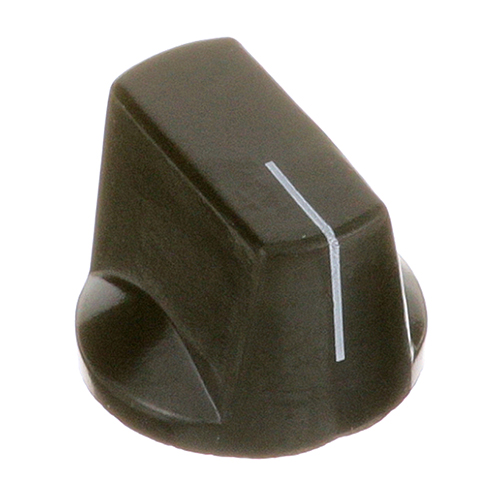

Vollrath 17012-1 Pointer Control Knob 3/4" DIA
Specifications:
| Attribute | Details |
|---|---|
| Control Knob, [ 3/4" Dia ] [ Pointer] [Mount .187"] | |
| [ Flat Down ], Set Screw Bottom | |
| Used On Thermostats # 46-1178 And # 46-1266 | |
| Vollrath/Idea Medalie Pc (7,11), Ht (7,11,1000), Hs7 |
Description
More Information:
Step1: Turn off power and allow the equipment to cool completely before servicing.
Step2: Pull off the existing damaged or worn knob from the control shaft.
Step3: Align the new pointer knob with the flat or keyed shaft position.
Step4: Press the knob firmly onto the shaft until it seats securely.
Step5: Ensure the pointer aligns with the correct temperature or setting markings.
Step6: Restore power and test smooth rotation and proper control response.
Customer Reviews
No reviews yet. Be the first to write one!
Write a Review
-
What maintenance is required for the Vollrath 17012-1 Pointer Control Knob?
Clean the knob regularly to remove grease and debris, ensuring smooth rotation. Check tightness and alignment to prevent slipping. Preventive care avoids control inaccuracies. Always power off equipment before handling to reduce accidental activation or injury risk.
-
What are common issues with the Vollrath 17012-1 Pointer Control Knob?
- Knob becomes loose or stripped, causing poor control response.
- Pointer misalignment leads to inaccurate setting readings.
- Cracks or wear from frequent use or heat exposure.
- Stiff rotation due to dirt buildup or internal friction.