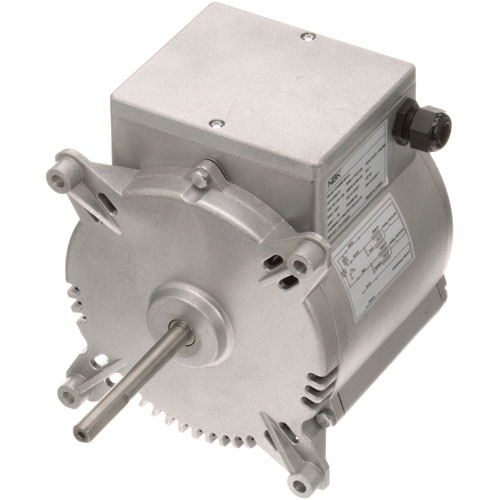
Southbend 1194780 Range Blower Motor 1/2 HP 115-120V 60HZ
Specifications:
| Attribute | Details |
|---|---|
| 115-120V, 60Hz, 1/2 Hp, 1710/1120 RPM, 5.9/2.7A, Shaft = | |
| 4-1/8" X 1/2", With Two Flat Sides | |
| Southbend Series | 300, 400, Slg, Gb, Gs, P |
Description
More Information:
- SOUTHBEND:1194780 ,SOU1194780
Step1: Turn off and unplug the range to prevent electrical shock.
Step2: Remove the access panel to reach the existing blower motor.
Step3: Disconnect the wiring harness from the old motor carefully.
Step4: Unscrew and remove the old motor from its mounting bracket.
Step5: Install the new motor securely and reconnect all wiring.
Step6: Replace the access panel, restore power, and test motor operation
Customer Reviews
No reviews yet. Be the first to write one!
Write a Review
-
Can I use my Southbend equipment without a functioning motor?
The functionality of the equipment may be compromised if a critical motor is not working. It's best to ensure all necessary components, including motors, are in proper working order.
-
How do I troubleshoot if a Southbend range motor is not functioning?
Check for power supply issues, circuit breakers, or blown fuses. If the issue persists, consult the equipment's troubleshooting guide or contact Southbend's customer support.
-
Where is the model number on a Southbend convection oven?
The model number on a Southbend convection oven is typically located inside the lower front panel of the oven along with the voltage.
-
What maintenance is required for the Southbend 1194780 Blower Motor?
Clean dust and grease buildup from the motor housing and fan regularly. Inspect electrical connections, bearings, and mounting hardware for tightness and signs of wear. Ensure proper airflow, avoid overheating, and lubricate if manufacturer guidelines specify.
-
What are common issues with the Southbend 1194780 Blower Motor?
- Reduced airflow from clogged or imbalanced fan blades.
- Motor overheating during extended operation.
- Electrical faults or intermittent power loss.
- Excessive vibration from worn bearings or misalignment.
- Unusual noise from internal component wear.