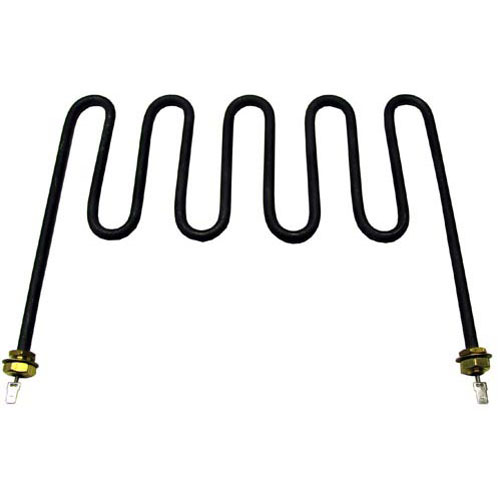

FWE EL1250-120H Warmer Heating Element 1250W 115V
$123.31
Price reduced from
$190.00
Specifications:
| Attribute | Details |
|---|---|
| Element | |
| 115V 1250W, 11-1/4" X 9-1/2", With Nuts & Washers | |
| Food Warming Equipment |
Description
The FWE EL1250-120H Warmer Heating Element 1250W 115V is a heating system that uses electric power to generate uniform heat, which is then used to heat surfaces effectively when it is turned on. It is built in with commercial warming devices enabling it to sustain desired temperatures with the constant production of energy. The element can be installed in horizontal or vertical position in the standard units and it fits in the existing compartments without any modifications. It can be fitted in the back of the panel or under trays.
More Information:
- FOOD WARMING EQUIPMENT:EL-1250-120-HT ,EL1250-115HT ,EL1250-120-HT ,EL1250-120H ,EL1250-120HT ,EL1250/115HT ,EL1250/120HT ,FWEEL1250-115HT
Step1: Disconnect power supply and allow unit to cool completely.
Step2: Access the heating compartment by removing the panel.
Step3: Disconnect wires from the old element, noting their positions.
Step4: Remove mounting hardware and take out the faulty element.
Step5: Install the new element and secure it firmly.
Step6: Reconnect wiring correctly and reassemble the unit.
Step7: Restore power and test operation safely.
Customer Reviews
No reviews yet. Be the first to write one!
Write a Review
Thank you! Your review has been submitted.
-
What maintenance is required for the FWE EL1250-120H Element?
Inspect electrical connections regularly and ensure terminals remain tight to prevent overheating. Clean the element surface gently to remove grease buildup for efficient heating. Regular checks help maintain consistent performance and reduce fire or failure risks.
-
What are common issues with the FWE EL1250-120H Element?
- Uneven heating due to worn element coils.
- Electrical connection failure or loose wiring.
- Overheating or thermal cutoff activation.
- Grease buildup causing reduced efficiency.
- Short cycling due to faulty thermostat control.