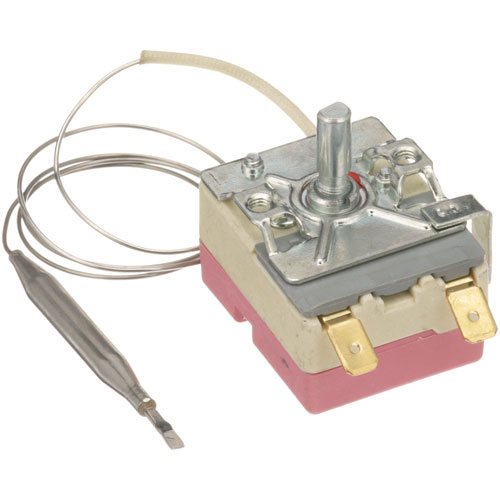

Adcraft FW-1200WT Thermostat 1/4" X 4" 24" Capillary Type-55
Specifications:
| Attribute | Details |
|---|---|
| Null |
Description
More Information:
- ADCRAFT:FW-12 ,FW-1200WT ,THERMOSTAT
Step1: Disconnect power completely and check the appliance is fully de-energized before opening the unit.
Step2: Remove the control panel and locate the existing thermostat and capillary routing path.
Step3: Carefully detach the old thermostat, including bulb and wiring connections, noting positions for reference.
Step4: Install the new thermostat and secure the sensing bulb in the proper heat zone.
Step5: Route the cable away from sharp edges and hot surfaces, then connect terminals securely.
Step6: Restore power and test temperature control to confirm accurate cycling and better operation.
Customer Reviews
No reviews yet. Be the first to write one!
Write a Review
-
What maintenance is required for the Adcraft FW-1200WT Thermostat?
Inspect the thermostat regularly for accurate temperature response and secure mounting. Check capillary and connections for damage or leaks. Keep components clean from grease buildup. Always disconnect power before servicing to ensure better handling and prevent electrical hazards.
-
What are common issues with the Adcraft FW-1200WT Thermostat?
- Inaccurate temperature control.
- Failure to cycle on or off.
- Damaged or kinked capillary tube.
- Loose or faulty electrical connections.
- Overheating or inconsistent performance.
- Delayed response to temperature changes.