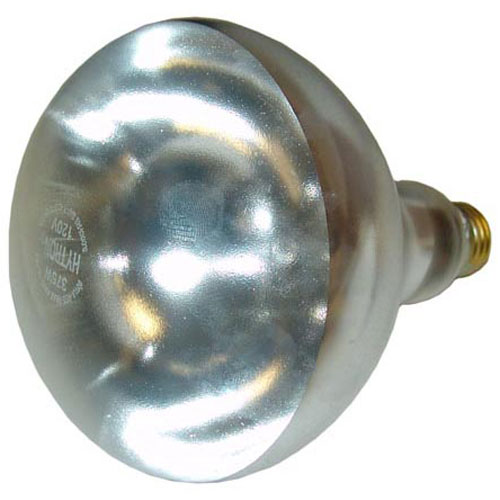

Hatco 02.30.097.00 Infrared Heat Lamp 125V/375W PTFE
$43.89
Price reduced from
$57.00
Specifications:
| Attribute | Details |
|---|---|
| Clear Infrared Heat Lamp, 125V, 375W | |
| Ptfe Coated Shatterproof. 6-9/16" Long X 5" Dia. |
Description
Hatco 02.30.097.00 Infrared Heat Lamp 125V/375 with PTFE Infrared heat lamp radiates when powered by 125 V, and it uses its resistive heating element to produce radiant heat. The infrared output heats surfaces and food objects directly without the use of convection, which assists in preserving the product temperature in holding places. It is installed over food display or service lines, in compatible heat lamps or fixtures with the coating and design facing heat downwards. It lamp is incorporated with the power and support hardware of the fixture to offer warmth to commercial foodservice settings.
More Information:
- HATCO:02-30-097 ,02-30-097-00 ,02.30.097 ,02.30.097.00||QUALSERV CORPORATION:375R40/TF ,375R40TF
Step1: Switch off power and let fixture cool completely carefully.
Step2: Wear gloves to avoid PTFE and glass contamination.
Step3: Align lamp pins with socket and gently insert.
Step4: Secure lamp without forcing or twisting excessively.
Step5: Restore power and test for proper heating operation.
Step6: Inspect socket for damage or debris before installation.
Step7: Ensure lamp wattage and voltage match fixture rating.
Customer Reviews
No reviews yet. Be the first to write one!
Write a Review
Thank you! Your review has been submitted.
-
What maintenance is required for the Hatco 02.30.097.00 Infrared Heat Lamp?
Inspect lamp regularly for discoloration or damage. Keep connections tight and clean to prevent arcing. Avoid moisture exposure and handle carefully to maintain infrared efficiency and safe operation.
-
What are common issues with the Hatco 02.30.097.00 Infrared Heat Lamp?
- Lamp burnout due to voltage fluctuations or overload.
- Poor infrared output from aging filament.
- Loose electrical connections causing intermittent heating.
- Cracks from thermal shock or improper handling.