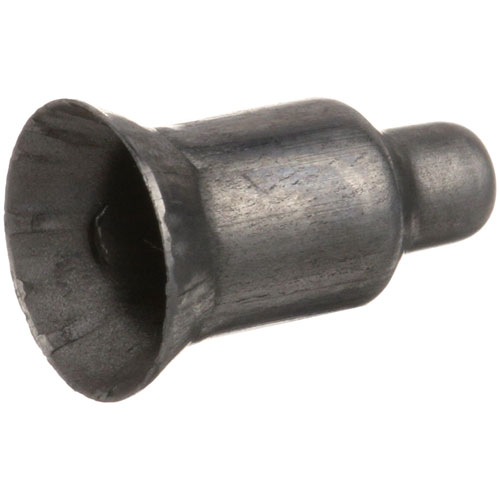

Blodgett 5387 Oven LP Pilot Burner Orifice 0.010" FMEA
$4.00
Specifications:
| Attribute | Details |
|---|---|
| .010 Lp Pilot Burner Orifice 3/16" |
Description
The Blodgett 5387 Oven LP Pilot Burner Orifice 0.010 FMEA controls the amount of liquid propane that flows to the pilot of the pan to enable the burner to light up regularly. The gas flows through the tiny opening, forming a regulated flame that triggers the main flame. This is directly mounted to the starter assembly, and it is connected to the gas line, and the flame is positioned in a position to start the main combustion system of the appliance to ensure that it operates correctly in the cooking space of the unit.
More Information:
- BAKERS PRIDE:BKPM1057A ,M1057A ,M1057X||BLODGETT:05387 ,5387 ,BL5387||COMSTOCK CASTLE:OR2CH1L||HOBART:00-719219 ,19219 ,719219||SOUTHBEND:1046409||VULCAN HART:00-719219 ,109125-9 ,19219 ,409125-9 ,719219 ,VH109125-9 ,VH409125-9
Step1: Turn off main gas supply and electrical power to appliance.
Step2: Allow burner assembly to cool completely before servicing.
Step3: Remove existing pilot assembly cover panel carefully.
Step4: Unscrew old orifice using correct wrench or tool.
Step5: Install new orifice hand-tight then gently snug.
Step6: Reassemble pilot burner components and verify alignment.
Step7: Restore gas supply, test ignition, check for leaks using soap solution; ensure safe operation.
Customer Reviews
No reviews yet. Be the first to write one!
Write a Review
Thank you! Your review has been submitted.
-
What maintenance is required for the Blodgett 5387 .010 Pilot Burner Orifice?
Keep the orifice clean and free from dust or grease buildup. Inspect for clogging and ensure proper gas flow calibration. Regular checks can maintain stable pilot flame and better efficient oven ignition performance.
-
What are common issues with the Blodgett 5387 .010 Pilot Burner Orifice?
- Clogged orifice restricting gas flow.
- Weak pilot flame or ignition failure.
- Inconsistent gas pressure delivery.
- Carbon buildup affecting performance.
- Delayed ignition in burner system.
- Uneven flame pattern.