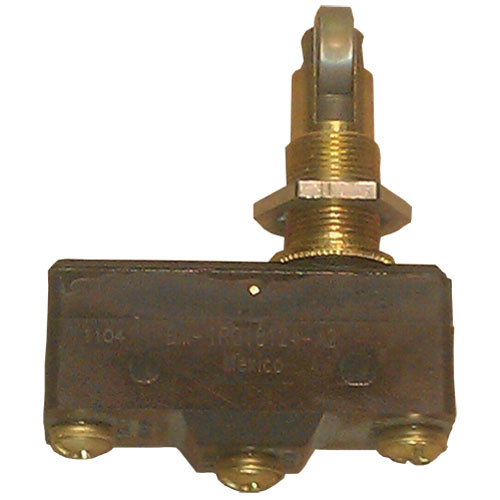

Southern Pride SOP444001 Door Interlock Switch
Specifications:
| Attribute | Details |
|---|---|
| Interlock Switch | |
| Southern Pride Xlr-(600, 1400) |
Description
More Information:
- APW WYOTT:1300250 ,AS-1300250||BAKERS PRIDE:1300250 ,AS-1300250||TRI-STAR:1300250 ,AS-1300250
Step1: Disconnect all electrical power and ensure the unit is fully shut down and cooled.
Step2: Remove old door switch housing to reach the existing interlock switch.
Step3: Label and carefully disconnect wiring from the old switch terminals.
Step4: Unscrew and remove the faulty interlock switch from its mounting bracket.
Step5: Install the new switch, ensuring proper alignment with the door actuator.
Step6: Reconnect wiring securely, restore power, and test door interlock safety operation.
Customer Reviews
No reviews yet. Be the first to write one!
Write a Review
-
What maintenance is required for the Southern Pride SOP444001 Interlock Switch?
Inspect the interlock switch regularly for loose wiring, corrosion, and mechanical wear. Clean contacts using approved electrical cleaner to ensure accurate operation. Proper maintenance prevents unexpected shutdowns and improves safety by ensuring the system interlock functions correctly.
-
What are common issues with the Southern Pride SOP444001 Interlock Switch?
- Contact wear leading to intermittent signal loss.
- Electrical short or open circuit faults.
- Mechanical sticking or broken actuator.
- Loose wiring connections causing intermittent operation.